When Protest Turns to Violence: Lessons from France
by Ahmet Baransu, published on 23 October 2026
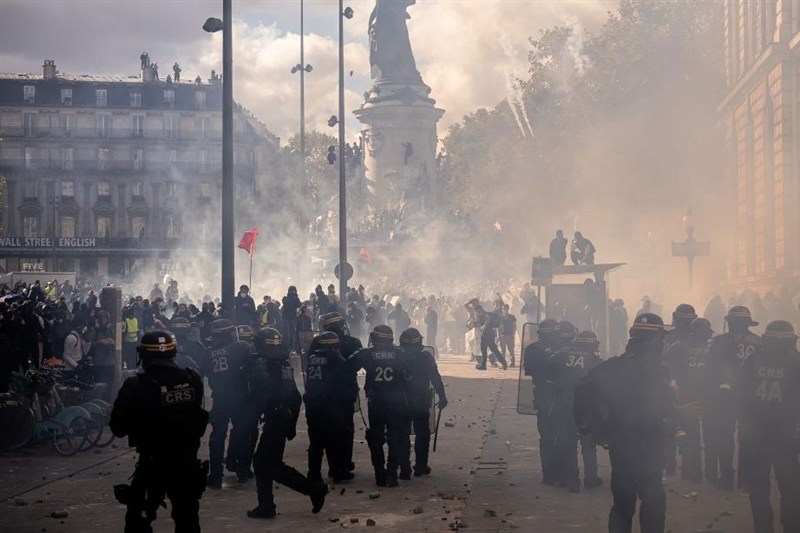
In mid-September, students at Lycée Saint-Exupéry in Créteil, a Paris suburb, protested teacher shortages, overcrowded classrooms and crumbling buildings. Within two weeks, France counted more than 400 school blockades. University students, teachers, nurses and the CGT union then joined, and calls to revive the yellow vests turned an education protest into a broader revolt against living costs and failing public services. On October 17, authorities counted 550,000 marchers nationwide, while unions said 800,000.
Close Allies, Fragile Relations: Turkey and Azerbaijan’s Diplomatic Crisis
by Haşim Tekineş, published on 16 October 2026
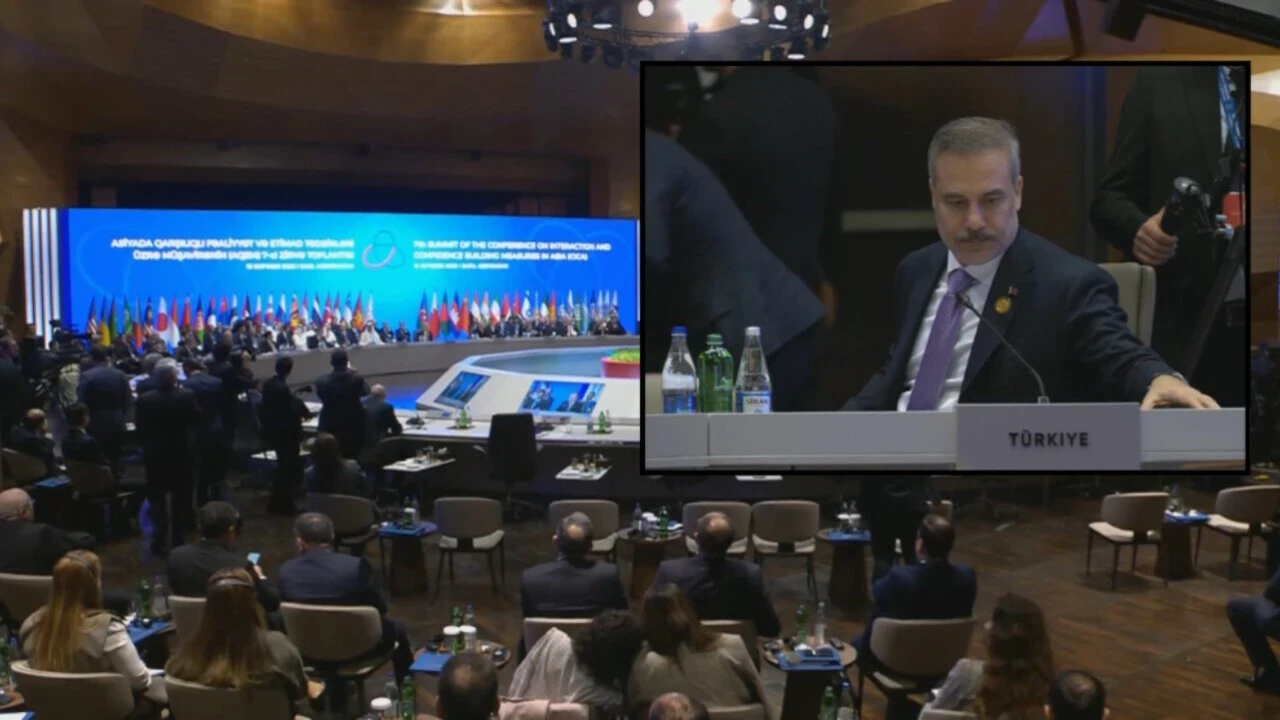
Turkish Foreign Minister Hakan Fidan’s arrival at Baku airport marked a new low in recent Turkish-Azerbaijani relations. Fidan had travelled to attend the summit of the Conference on Interaction and Confidence Building Measures in Asia (CICA), which brings together heads of state. Turkish President Recep Tayyip Erdoğan did not attend, possibly in protest against harsh remarks from Baku.
Turkey's Fund Collapse: When Regulatory Awareness Fails to Prevent a Crisis
by Ferhat Günaydın, published on 9 October 2026
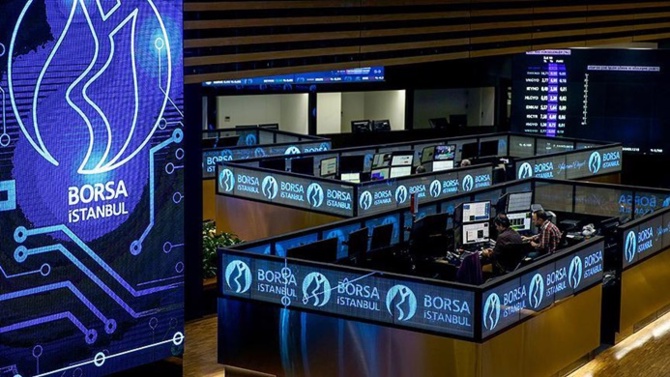
There is an old, unforgiving rule in financial markets: when the relationship between risk and return appears to have broken down, it is rarely the risk that has disappeared. More often, it is the market's willingness to recognize it.
Beyond Mecca: Three Stages of Turkey-Iran Escalation
by Haşim Tekineş, published on 7 October 2026
By activating the collective defense mechanism, the Turkish government is not only joining a war in Yemen but also becoming part of a regional conflict that could have much larger consequences than Ankara anticipates. As this regional war drags on, the stakes will rise for all parties, pushing them to take greater risks. Ankara may therefore find that what begins as a limited military deployment in Saudi Arabia ultimately ends centuries of relative peace between Turkey and Iran.
Our Experts Assess the Mecca Pact's Rapid Deployment Decision
by Haşim Tekineş, Mustafa Enes Esen and Servet Akman, published on 7 October 2026
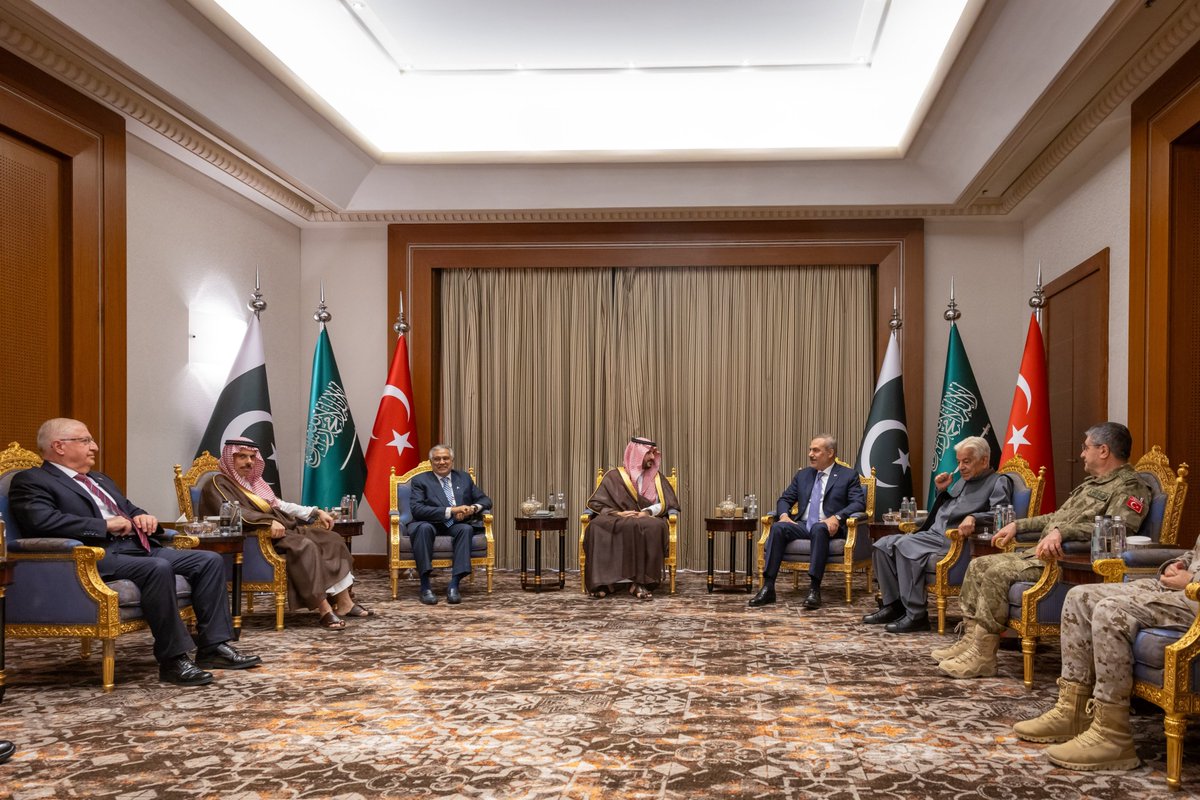
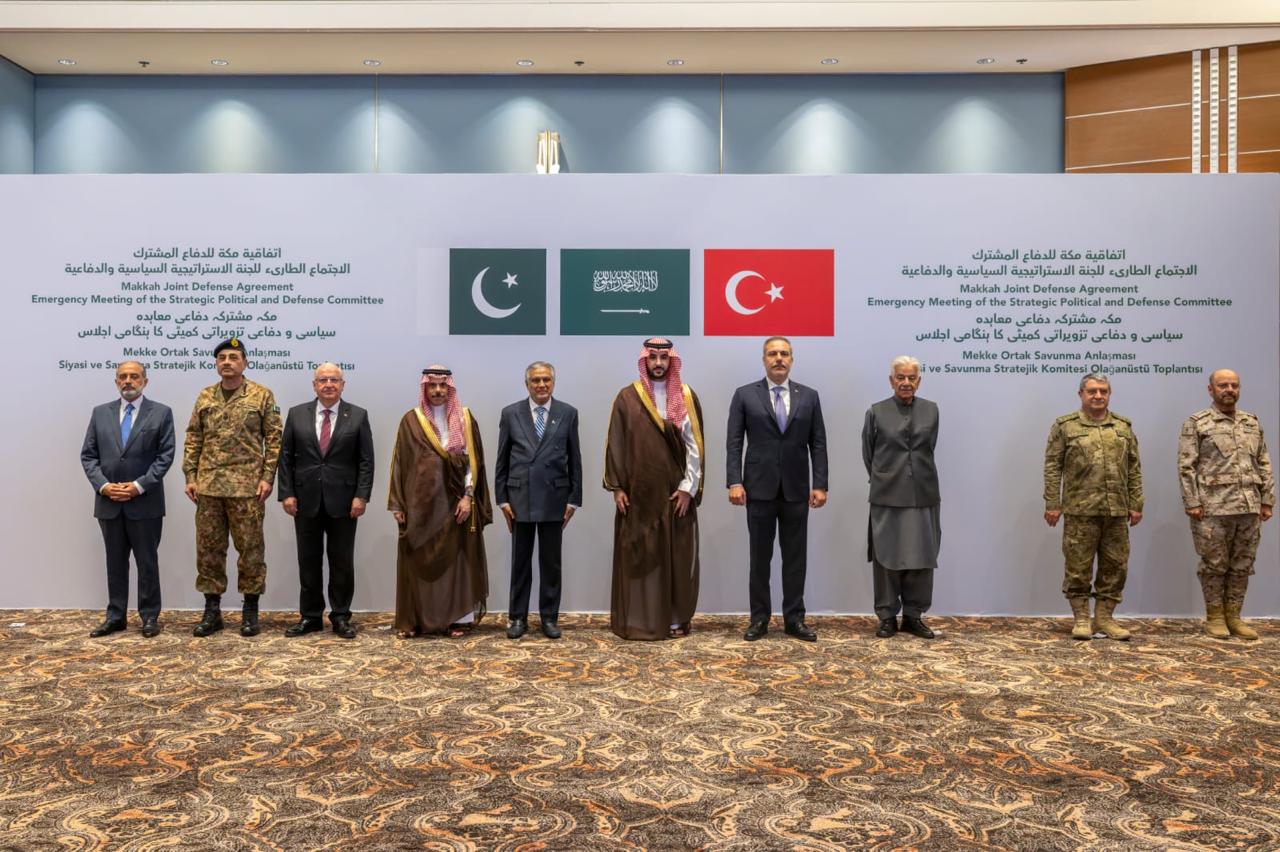
On October 5, 2026, Turkey, Saudi Arabia, and Pakistan agreed in Riyadh "to move immediately to the practical implementation of the collective defense commitments" under the Mecca Joint Defense Agreement. The decision puts the pact to its first real test and raises the question of how far Turkey is prepared to go in Saudi Arabia's defense. Our experts weigh in.
Wars Within Wars in the Middle East and Turkey's Choice
by Mustafa Enes Esen, published on 28 September 2026
Last week, Saudi Arabia called an urgent meeting of the military chiefs of Turkey and Pakistan under the Mecca Joint Defense Agreement, as Houthi attacks on the kingdom intensified. When the chiefs met in Riyadh on September 25, they discussed intelligence sharing, military coordination and the integration of defense capabilities. The meeting has renewed the question of whether Turkey could be drawn into the war in Yemen.
Turkey’s Human Rights Regression over the Past Decade: How Emergency Measures Became the Rule, from Scapegoats to Everyone
by Hakan Kaplankaya, published on 22 October 2026
Turkey has never been a full-fledged democracy. Throughout its modern history, the country has experienced military interventions, restrictions on political freedoms and serious human rights violations. Yet, despite these shortcomings, Turkey held a significant place within the Western democratic order. It became a founding member of the Council of Europe in 1949, joined NATO in 1952, and accepted the right of individual petition to the European Court of Human Rights (ECtHR, the Court) in 1987 and the compulsory jurisdiction of the Court in 1990.
TURKEY'S RARE ELEMENTS: CHALLENGES AND OPPORTUNITIES - THE BEYLİKOVA CASE
by Mustafa Enes Esen, Ömer Güler, Harun Güngör and Dr. İmdat Öner, published on 21 May 2026
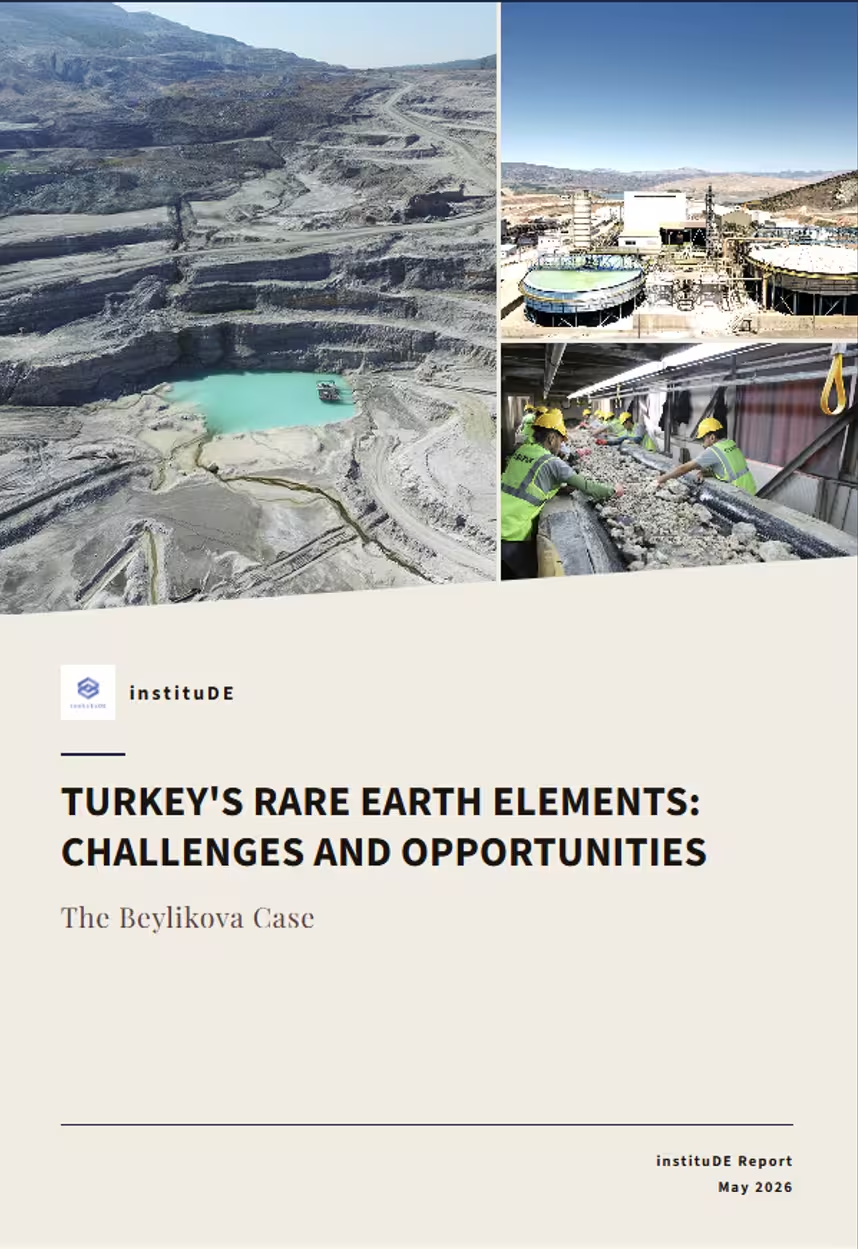
This report is addressed to two audiences simultaneously: Turkish policymakers weighing how to develop the Beylikova deposit, and Western governments and companies assessing whether Turkey is a credible partner in their supply chain diversification strategies. It examines both the opportunities Turkey’s entry into the rare earth sector could realistically generate and the structural obstacles that stand between the current situation and those outcomes.
Navigating Supply-Chain Security: NIS2 and Beyond
by Dr. Yasir Gökçe, Thomas Krüger and Stefan Hartmann, published on 26 March 2026
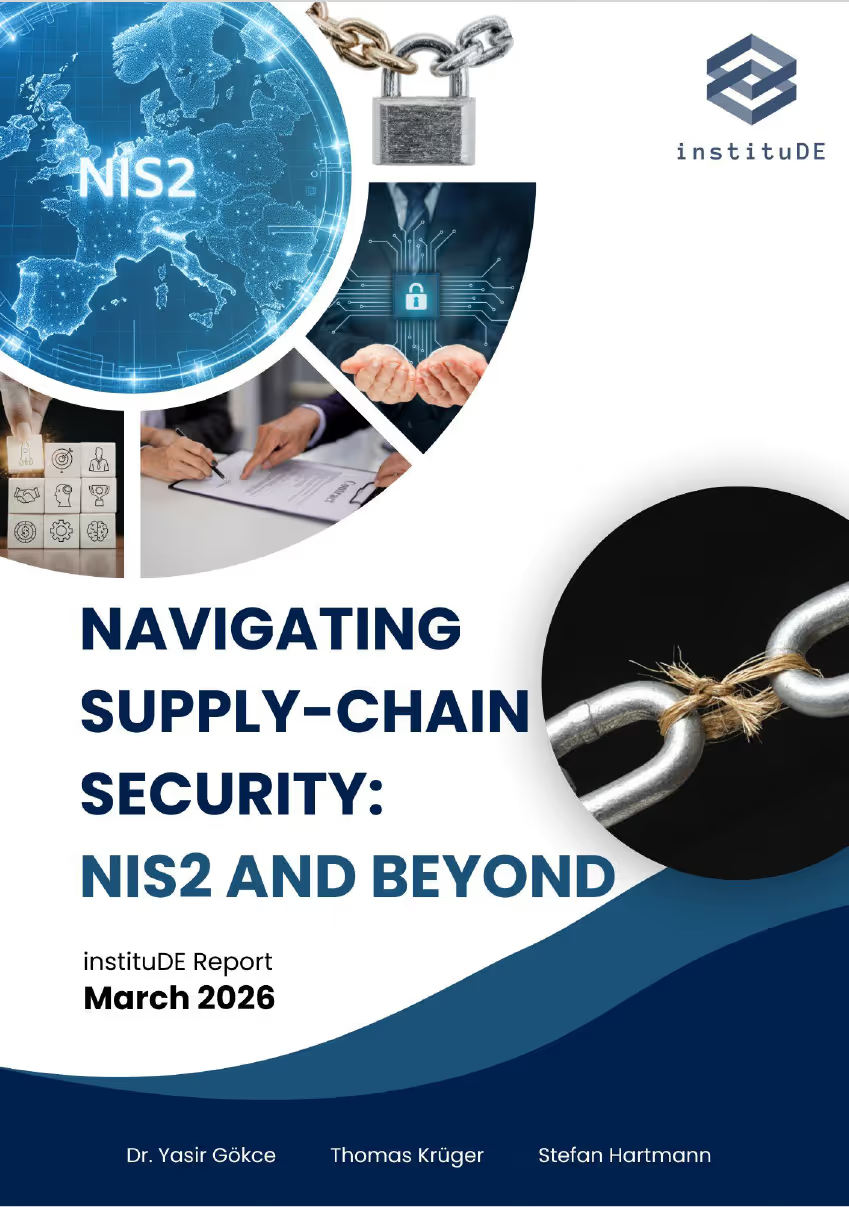
This report provides a structured analysis of supply chain security under NIS2 and related frameworks. Section 2 outlines the legal and normative landscape, including EU-level, national-level, and entity-level risk assessment obligations, and examines how NIS2 interacts with CRA, GDPR, DORA, and relevant ISO standards.
1952 yılının Aralık ayında İngiltere’de kış normalden soğuk geçiyordu. Halk ısınmak için normalden daha fazla kömür yakmak durumunda kaldı. Avrupa’dan esen ters rüzgarla birlikte yoğun bir sis tabakası Londra’nın üzerine çöktü. Sis yüzünden insanlar burnunun dibini göremiyordu. Otobüs seferleri iptal edildi, arabalar yol kenarlarında terk edildi.
Bir Ailenin İzinde Gürcistan’ın Geçmiş Yüzyılı: Sekizinci Hayat
by Ömer Güler, published on 15 September 2025
Gürcü yazar Nino Haratischwili “The Eighth Life: (for Brilka)” (Sekizinci Hayat ismiyle Türkçeye çevrilmiş) adlı romanında 1900’lerden başlayarak 2000’lerin ortalarına kadar Jashi ailesinin hayat hikayesi üzerinden Sovyetler Birliği ve Gürcistan tarihine ışık tutuyor. Tarihi gerçeklere uygun bir şekilde ilerleyen roman, kurgu karakterlerle, anlattığı dönemlerin çok daha iyi anlaşılmasını sağlıyor.
Soldier, Society, and Politics in Turkey: A Study on Soldiers’ Life Stories
by Haşim Tekineş, published on 16 August 2025
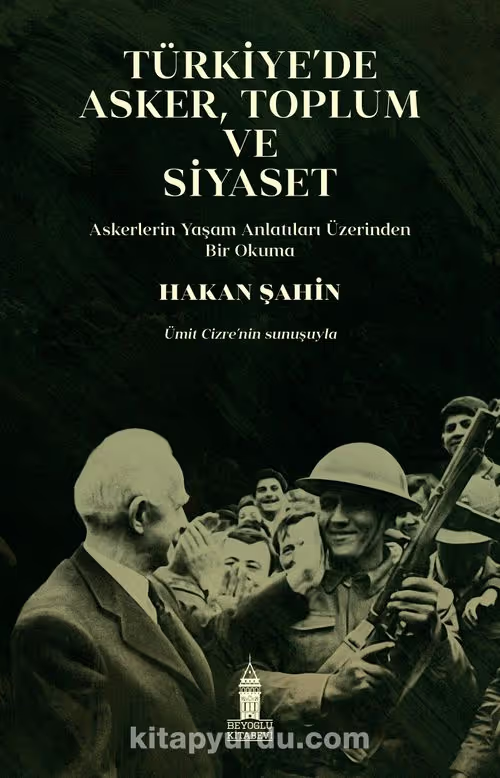
Hakan Şahin’s Türkiye’de Asker, Toplum ve Siyaset: Askerlerin Yaşam Anlatıları Üzerinden Bir Okuma (Soldier, Society, and Politics in Turkey: A Study on Soldiers’ Life Stories) offers a unique insider perspective on the Turkish military and soldiers’ understanding of the outside world. In this sense, the study fills an important gap in the literature on civil-military relations in Turkey.