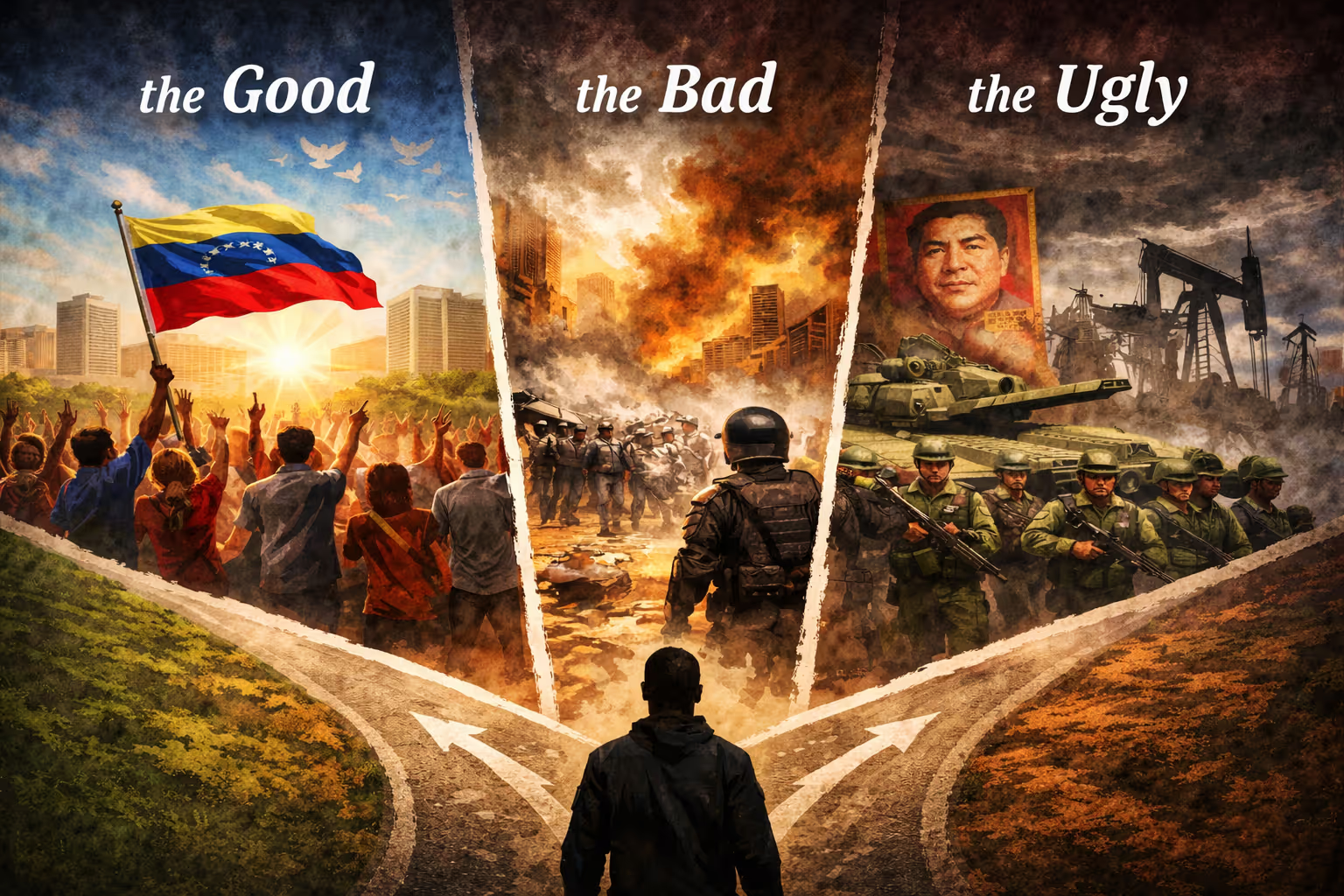
Let me outline three possible scenarios for the post-Maduro era in Venezuela. I call them the “good,” the “bad,” and the “ugly.
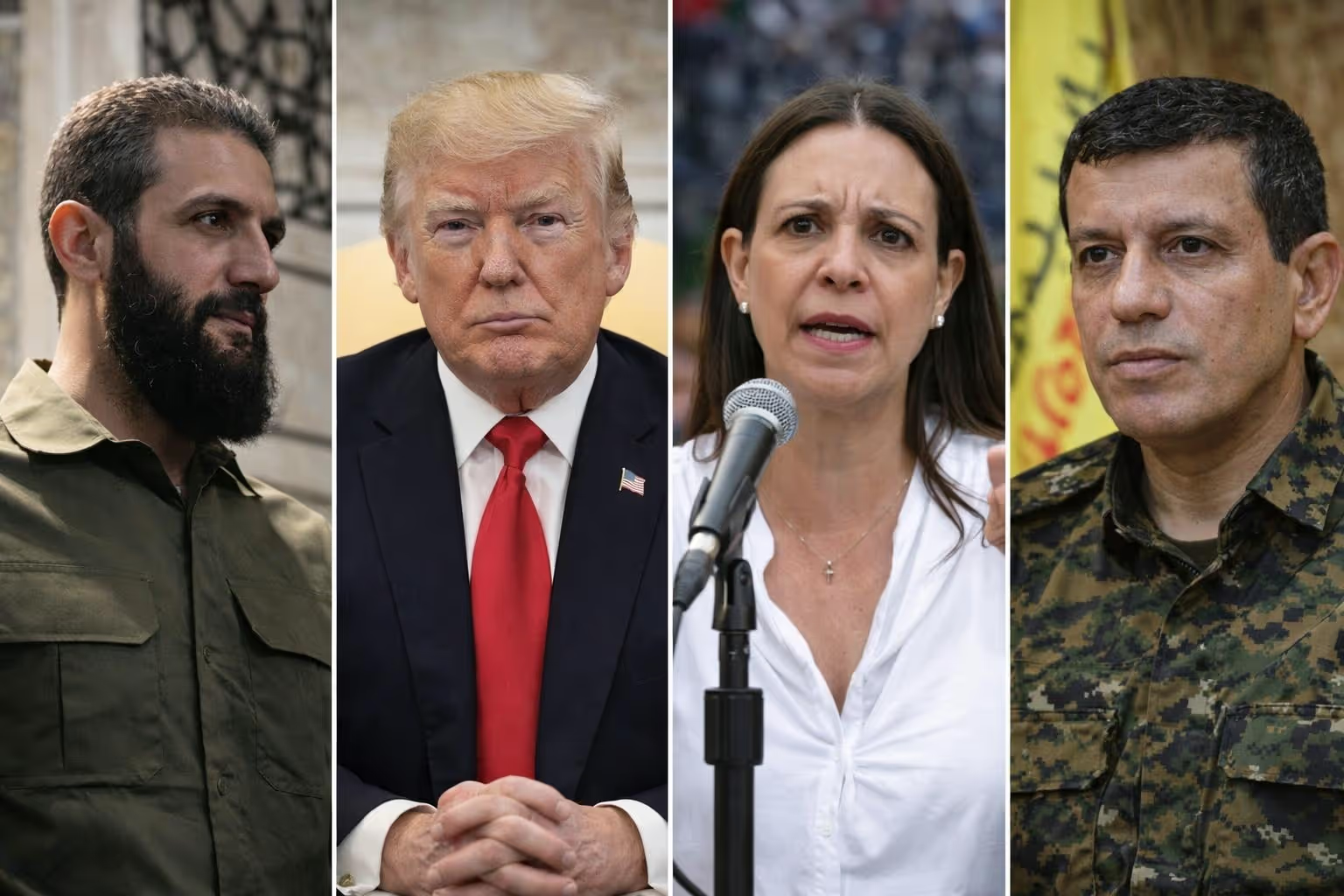
In the best-case scenario, Delcy Rodríguez forms a relatively moderate cabinet to manage a peaceful transition. Hardliners, especially Diosdado Cabello, are pushed out of the inner circle, and a few opposition figures are brought in. Political prisoners are released and media freedom returns.Meanwhile, Maria Corina Machado steps up her efforts in Washington, pressing US partners to convince Trump that elections are unavoidable. Trump signs off and leans on Delcy to commit to free and fair elections within a year or so.
In a less optimistic scenario, cracks inside the regime widen. Cabello manages to bring key parts of the military to his side and openly challenges Delcy’s authority. A coup attempt might occur and a power vacuum emerges. What starts as an internal power struggle in Caracas turns into broader instability across the country. Armed groups like the ELN and remnants of the FARC take advantage of the chaos. At that point, Washington is left with a very uncomfortable set of options, including the possibility of boots on the ground.
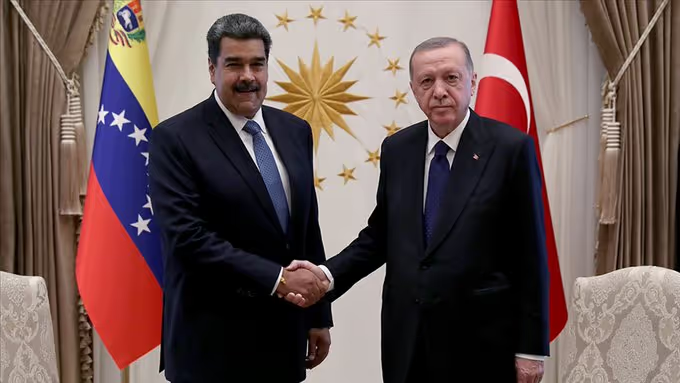
Nothing really changes. Delcy governs pretty much the same way as Maduro did. No moderation, no release of political prisoners, no political opening. Trump is content as long as oil flows and business interests are protected. Delcy rejects any talk of elections for the next six years, arguing that her term started in 2026. The opposition loses what little hope it has left. Venezuela settles into a familiar case: An autocratic system that’s repressive at home but on workable terms with Washington, not unlike the U.S. relationship with Qatar, Saudi Arabia, or even Turkey.




.svg.avif)