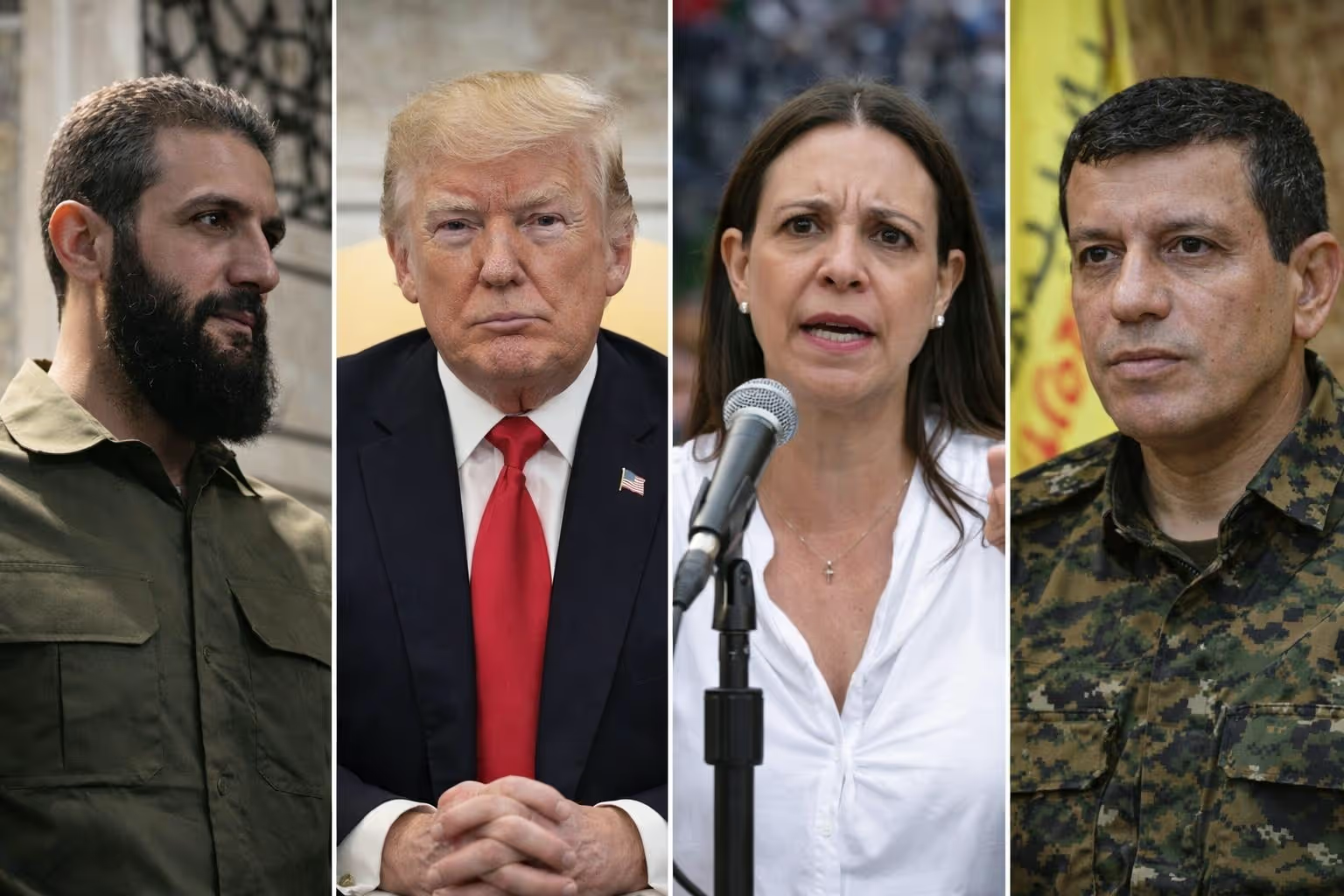
The results of the U.S. midterm elections exceeded even the most optimistic Democratic forecasts. What had been anticipated as a blue wave became, in effect, a blue tsunami. Democrats secured double-digit margins in states such as North Carolina and Georgia, won a Kansas Senate seat that Republicans had held for almost a century, made a strong showing in Nebraska, and, most notably, carried Texas. Although Republicans retained Florida's governorship and Senate seat, the wave extended from Florida westward across much of the country.
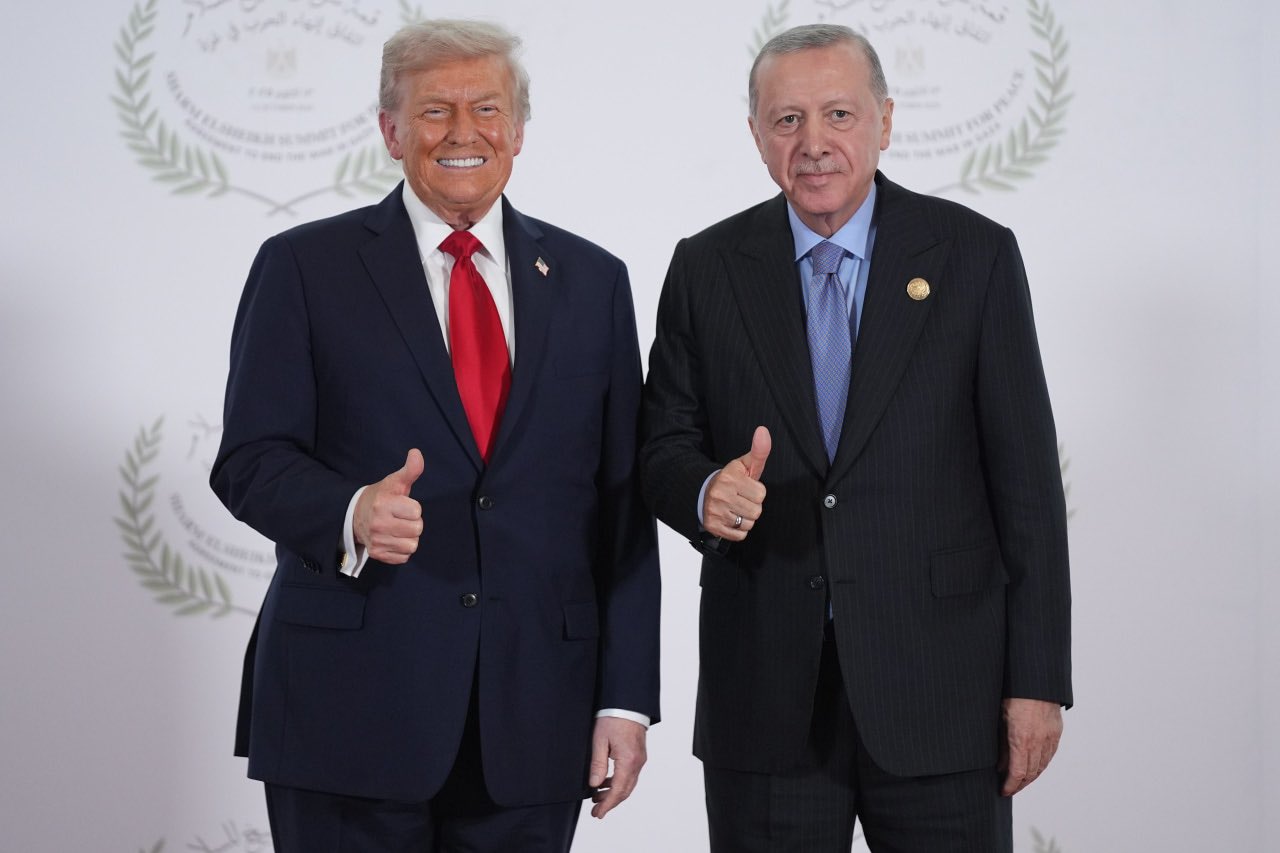
For Turkey, the outcome carries particular significance. Over the last decade, Ankara has built its Washington strategy largely on Erdoğan's personal rapport with Trump rather than on institutional ties with Congress. A weakened U.S. president facing a more assertive legislature, where distrust of Erdoğan cuts across party lines, leaves that strategy exposed. The election results therefore bear directly on the course of Turkey-U.S. relations in the years ahead.
The Economy and the Iran War
The cost of living was the decisive factor in the U.S. midterm elections. Trump returned to office pledging to lower prices. By the end of the Biden administration, inflation had been declining toward the Federal Reserve's target. The tariffs introduced in spring 2025 reversed that trend and compelled the Fed to raise interest rates.
The war with Iran compounded the problem. Gasoline prices rose and diesel prices approximately doubled. In a country where most citizens depend on daily car travel, the average household has paid an additional $300 to $400 per month for roughly half a year. The rise in diesel prices weighed particularly heavily on farmers, many of whom are Trump voters in the Midwest.
From the outset of the conflict, it was evident that a prolonged war would jeopardize the midterms. Trump nonetheless chose to continue it. The war also contradicted the "America First" platform that many of his supporters embraced in 2024, which promised an end to foreign wars and a focus on domestic priorities. At the ballot box, these voters held the president accountable for a war they had not sought.
Vice President JD Vance, who opposed the war from the beginning, acknowledged this in an extensive post on X following the results. He also conceded a more troubling development for his party: Republican voters did not merely abstain. In states such as Ohio and Iowa, a significant number turned out and voted for Democratic candidates.
The president's own choices aggravated these trends. Major polls, including those by CNN and Fox News, consistently identified the cost of living as voters' foremost concern, and his approval ratings fell to the lowest level of any president in modern American history. Nevertheless, in the final months of the campaign, he devoted public attention to the renovation of the White House, including the choice of paint for its pool. Many Republican candidates subsequently preferred that he not appear at their rallies. Florida's governor removed all photographs of himself with Trump from his website a month before the vote, and a Republican congresswoman from Miami publicly called on him to halt his ICE policies.
Two additional factors deepened the losses. The first was the perception of corruption. Over the past two to three years, corruption has emerged as one of the leading issues in American public opinion polls, second only to the economy. This is without precedent in the United States, though it reflects a pattern well documented in Latin America: as economic conditions deteriorate, public sensitivity to corruption increases. The business activities of the president's family played a considerable role in this regard. These activities range from cryptocurrency ventures and agreements in the Gulf to the controversy surrounding the U.S. ambassador to Greece.
The second factor was immigration. Border security was a genuine problem under the Biden administration, and Kamala Harris bore its political cost in 2024. In this election, the cost of aggressive ICE raids fell on the Republicans. Fear within Hispanic communities has become so pervasive that attendance at Florida's public schools has declined, as parents hesitate to send their children to school. Along the Texas border, Latino voters who supported Trump by wide margins in 2024 returned to the Democratic Party, which was arguably the principal reason for the Republican defeat in Texas. Even Doral, the Miami suburb known as "Doralzuela" for its large Venezuelan community, turned against the president, despite expectations that the operation against Maduro would strengthen his support there. The coalition of Latino, Black, and blue-collar voters that Trump assembled in 2024 has fractured.
What Comes Next
Little change should be expected in Trump's own conduct. He is likely to press ahead, particularly in foreign policy, from Venezuela and Iran to Greenland. He has already declared that he will act as "Mr. Veto" and rely on executive orders, as he did when he bypassed Congress on Iran and Venezuela.
The more significant change will occur within the Republican Party. Members facing reelection in 2028 now recognize that close association with Trump costs them votes in their own districts. Vance, a calculating politician who once compared Trump to Hitler, is already positioning himself for 2028. Should Democrats avoid polarizing every issue and seek common ground with moderate Republicans, Congress will be in a position to constrain the president considerably. Impeachment remains unlikely, given the poor reception of earlier attempts among independent voters. Officials such as Defense Secretary Pete Hegseth and the leadership of ICE and the Department of Homeland Security, however, can expect intense scrutiny.
These results do not guarantee a Democratic victory in 2028. Many Republican voters cast their ballots not in support of Democrats but to punish Trump. Developments over the next two years, and the candidates each party nominates, will determine that contest.
Erdoğan's Lost Bet
For Ankara, the results are unfavorable from every perspective. Over the last decade, Erdoğan has invested heavily in his personal relationship with Trump and sought to conduct Turkey-U.S. relations largely through that channel. Apart from Trump's effusive praise and his visit to Turkey, this approach has produced no tangible gains. Congress now presents an entirely different picture, and a weakened president is in no position to advance Ankara's agenda.
Over this period, I have discussed Turkey-U.S. relations on various occasions with both Democratic and Republican members of Congress. Republicans exercised a degree of restraint toward Erdoğan and Turkey out of deference to Trump and refrained from openly challenging the president's close relationship with his Turkish counterpart. Yet the members I spoke with were unequivocal on one point: they do not trust Erdoğan.
On the question of the F-35s, their position is straightforward: what guarantee exists that Erdoğan will not repeat the error he made with the S-400s? The concern is understandable. Turkey's acquisition of the Russian system led to its removal from the F-35 program in 2019 and to the imposition of CAATSA sanctions in December 2020, and the dispute remains unresolved. As Republicans distance themselves from Trump, the restraint they showed Erdoğan on Trump's account is likely to diminish as well.
Democrats approach the matter differently. They broadly oppose Trump's practice of engaging authoritarian and populist leaders through personal ties rather than institutional channels, and they can be expected to scrutinize these relationships more closely. On Turkey, however, they share a central concern with Republicans: they, too, distrust Erdoğan. Since Trump's return to office, Democrats have also paid increasing attention to the state of democracy in Turkey.
This should not be mistaken for hostility toward Turkey. Among the members of Congress I spoke with, outright, categorical opposition to the country was rare. Particularly in light of recent crises, they recognize Turkey's growing strategic importance. Their criticism is directed primarily at Erdoğan's policies, his style of governance, and his tendency to oscillate between rival powers. For this reason, lobbying alone will not resolve the problem. However much Ankara invests in its relations with Congress, a lasting improvement on Capitol Hill is unlikely so long as these concerns about Erdoğan's leadership persist.