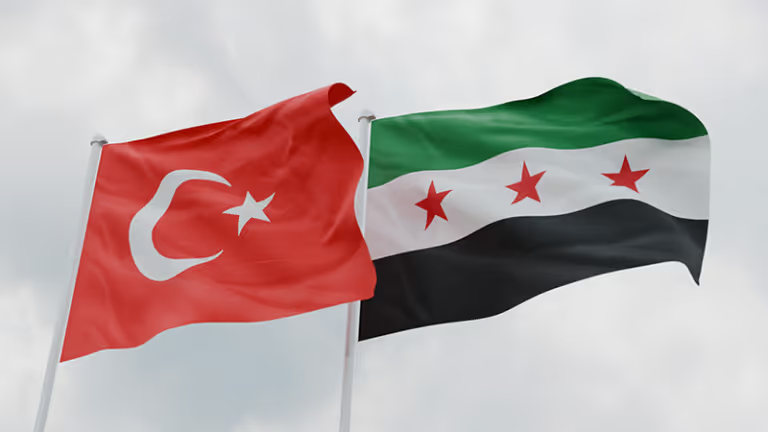
Turkey’s Syria policy is often portrayed as a case of foreign policy failure driven by ideology. According to this view, Ankara abandoned realism in favor of Islamist enthusiasm during the Arab Spring and later returned to pragmatism after paying significant political and strategic costs. While this narrative highlights an important shift, it relies on a simplified understanding of the relationship between ideas and foreign policy. It assumes that ideology merely distorts an otherwise objective reading of material realities and that policy change occurs once decision-makers rediscover realism.
This article adopts a different perspective. It argues that Turkey’s response to the Syrian civil war reflects an ideological transformation rather than a simple return to realism. Focusing on the period between 2011 and 2025, it examines how Ankara’s understanding of itself, its rivals, and the Middle East evolved during the conflict. The article explains this transformation through three interconnected dimensions: the ideas held by decision-makers, the changing influence of transnational Islamist networks, and processes of institutionalization.
2011 and 2025: Two Moments in Turkey’s Syria Policy
The change in Turkey’s Syria policy (and foreign policy more broadly) is usually explained as a shift from an ideological approach to foreign policy realism. In this view, ideas and ideologies are seen as obstacles that distort an objective reading of reality and, therefore, of national interests. However, the material environment does not speak for itself. It requires interpretation, and this act of interpretation shapes how causality, threats, and opportunities are understood.
Having said that, ideas are not independent phenomena. They operate in constant interaction with the material environment. As long as they help explain complexity and produce positive outcomes, they remain influential. When they fail, alternative ideas gradually replace them. This is what Turkey experienced during the Syrian civil war.
In 2011, the Turkish government viewed Turkey as a regional leader with the potential to shape the Middle East in its own way. During the 2000s, the country experienced a degree of democratic and economic improvement under an Islamist, culturally conservative government. Although exporting the “Turkish model” was not an explicit policy objective, Ankara believed that its interests were best served by the democratization of the region.
In fact, from Ankara’s point of view, democratization meant returning to normal in the Middle East. The uprisings were seen not merely as political revolts but as a return to the region’s authentic social and political foundations, which had been distorted by authoritarian and secular regimes.
Contrary to the popular belief, for the Turkish government, the winners of the democratization did not have to be Islamist. Ankara believed that, whether secular or Islamist, new democratic actors would be closer to Turkey. Why would a democratically elected secular government not cooperate with Ankara? At the same time, like many other governments, Turkey expected democratization to strengthen Islamist movements in the region — groups that were assumed to share ideological and cultural affinities with Ankara. Enjoying the best of both worlds, Erdoğan and Davutoğlu could be champions of democracy and Islam.
The Turkish government also overestimated the strength of revisionist actors such as Islamists and liberals. Because political systems in the Middle East were largely closed, it was difficult to observe internal social and political dynamics. Assessments of power balances therefore relied more on personal impressions and public enthusiasm than on systematic data such as surveys.
Still, it was not a belief in the historical inevitability of change that shaped Ankara’s Syria policy. Internal deliberations show that decision-makers were concerned that the scenarios seen in Libya or Egypt might not be repeated in Syria. They were, in fact, more cautious about Assad’s future. Nevertheless, they concluded that Turkey’s interests ultimately lay in political change, despite the strong economic, diplomatic, and political ties it had developed with Damascus.
Turkey is now a different country. Today, far from becoming more democratic, Erdoğan has consolidated power and turned into an authoritarian leader. Turkey no longer expects (or seeks) a major regional transformation that would align with its interests. Instead, it is possible to argue that Ankara now prefers stability over change. Stability, in its view, allows the government to manage national security challenges more effectively and to maximize economic benefits.
Turkey has also learned to maintain relations with both Islamist and anti-Islamist actors. It now approaches regional crises not as a patron of religious allies, but as a pragmatic actor focused on profit and security. As a result, Ankara has become more flexible in its alliances.
Taken together, these developments point to a fundamental shift in the Turkish government’s assumptions about itself, its rivals, and the broader region.
Ideas and Their Owners
Yet, how does one way of understanding the world overcome others? In other words, how do ideas gain power? One major way is through the power of their carriers. If the owner of an idea is in a decision-making position, this gives them actual impact on the ground.
One such person was Ahmet Davutoğlu. Since AKP’s early days in power, Davutoğlu had become an influential figure in foreign affairs. Davutoğlu first served as foreign policy advisor, then foreign minister, and finally as prime minister. Davutoğlu was the one who drew ideological framework of Turkey’s foreign policy until 2016. It is hard to say he offered a sound Islamist strategy with clearly defined goals. Yet, he offered a vision and assumptions to understand the region. Moreover, he was in a position to implement his policies and to change bureaucratic practices.
Second, it is possible to argue that Davutoğlu was a more devoted Islamist than Erdoğan who was more pragmatist. During his political career, Erdoğan has many times proved that he could easily change track and break his words. However, Davutoğlu is more inflexible in such changes. With his strong self-perception of intellectualism and idea maker, he attaches more importance to ideological consistency. In other words, if Davutoğlu is in a decision-making position today, Turkey could act more triumphant in Syria and more bellicose with Israel.
In the Turkish case, Erdoğan and the AKP leadership have remained in power throughout this period. Yet, the removal of Ahmet Davutoğlu from government has been an important dynamic in Turkey’s turning away from Islamism in foreign policy. Indeed, when Erdoğan removed Davutoğlu from the premiership, the new motto was “increasing the number of friends and decreasing the enemies” – which signaled dissatisfaction with the costs of his foreign policy.
Transnational Islamist Networks and Their Declining Influence
Transnational networks are another way for ideas to shape reality. Such networks' contacts in decision making mechanisms of a country could influence its decisions, by shaping understanding of reality, perceptions of interests. Indeed, the AKP's closeness with the Muslim brotherhood and similar groups influenced its foreign policy at the beginning of Arab Spring.
Since the 1950s, Turkey’s political Islamists had started to know more about the Brotherhood and other Islamist groups around the world. Erdoğan, Davutoğlu, and other leading AKP figures had decades-old contacts from those circles. Those networks provided strategic input to the decision makers and shaped Ankara’s policies.
Erdoğan’s rhetoric during and after the 2013 coup in Egypt illustrates this influence. Muslim Brotherhood symbols and figures featured prominently in his speeches. The four-finger “Rabia” hand sign became a powerful symbol of solidarity with the Brotherhood and opposition to the Sisi regime.
Over time, however, the meaning of these symbols changed. Erdoğan later redefined the Rabia sign as representing nationalist principles rather than Brotherhood suffering. This shift reflected a deliberate distancing from transnational Islamist movements without openly disavowing them.
Turkey remains a sanctuary for Islamist figures fleeing repression in Egypt, Saudi Arabia, the UAE, and Yemen. Yet Ankara has shown that it is not an unconditional partner. In some cases, Turkey has handed over Islamist figures to Egypt, signaling that ideological solidarity no longer overrides diplomatic calculations.
At the same time, Turkey’s informational and economic networks have diversified. Ankara now maintains extensive contacts with non-Islamist actors and business elites across the region. These interactions have reshaped Turkish perceptions of regional politics and reduced the influence of ideologically homogeneous networks on decision-making.
Institutionalization of Ideas
As states invest in certain ideas in critical turning points, such as Arab Spring, those ideas institutionalize and become harder to turn back. They took concrete shapes in bureaucratic practices and government discourse. Since investment grows in time, it becomes increasingly harder to turn back from those ideas despite their failure or increasing costs.
In the first half of the 2010s, Ankara remained committed to its course despite rising costs. İbrahim Kalın, then Erdoğan’s chief advisor, famously described Turkey’s regional isolation as “precious loneliness.” This phrase captured the belief that moral correctness justified diplomatic isolation.
The persistence of this approach was partly due to the institutionalization of ideas. By the time doubts emerged, Turkey had already cut ties with Assad, damaged relations with key regional actors, and invested heavily in the Syrian opposition. Ankara’s support extended to armed groups, including al-Qaeda–affiliated factions, and possibly even the ISIS. These commitments created path dependencies that made rapid policy reversal difficult.
Material and geopolitical constraints gradually undermined Ankara’s ideological ambitions. Two developments were particularly decisive. First, the United States’ partnership with the YPG in Syria posed a direct threat to Turkey’s national security. Second, Russia’s military intervention in 2015 shattered Ankara’s hopes of toppling Assad through opposition forces.
These developments forced a reassessment in Ankara. Erdoğan began to signal, for the first time, that Assad might remain in power, at least temporarily. This marked an important change in mindset. Instead of an expectation of a change, Turkey’s perception of national threat grew in time.
Turkey’s subsequent normalization efforts reflected this shift. Ankara repaired relations with Russia after the 2015 jet crisis, re-engaged with Israel, and later sought rapprochement with Egypt. After 2016, Turkey even provided diplomatic assistance that indirectly helped Russia and the Assad regime reclaim opposition-held territories. These policies would have been unthinkable during the peak of Turkey’s Islamist enthusiasm.
The transition, however, was not linear. Events such as the Qatar crisis in 2017, the Khashoggi killing in 2018, and rivalry with the UAE temporarily revived Islamist rhetoric in Turkish foreign policy. Yet even in these cases, Ankara ultimately opted for pragmatic outcomes. By late 2020, Turkey normalized relations with both the UAE and Saudi Arabia, followed later by reconciliation with Egypt. Each episode ended not with ideological escalation but with compromise.
Ideas and Adjustment in Turkey’s Syria Policy
The comparison between Turkey’s Syria policy in 2011 and 2025 reveals a fundamental shift in how Ankara understood the region, power, and its own capacity to shape outcomes. Early in the conflict, Turkish decision-makers interpreted the Arab Spring as a historically corrective process that aligned moral legitimacy with strategic interest. This view sustained ambitious policies despite mounting costs and unfavorable developments. Over time, however, prolonged conflict, external intervention, and direct security threats undermined these assumptions and reduced the explanatory power of earlier ideas.
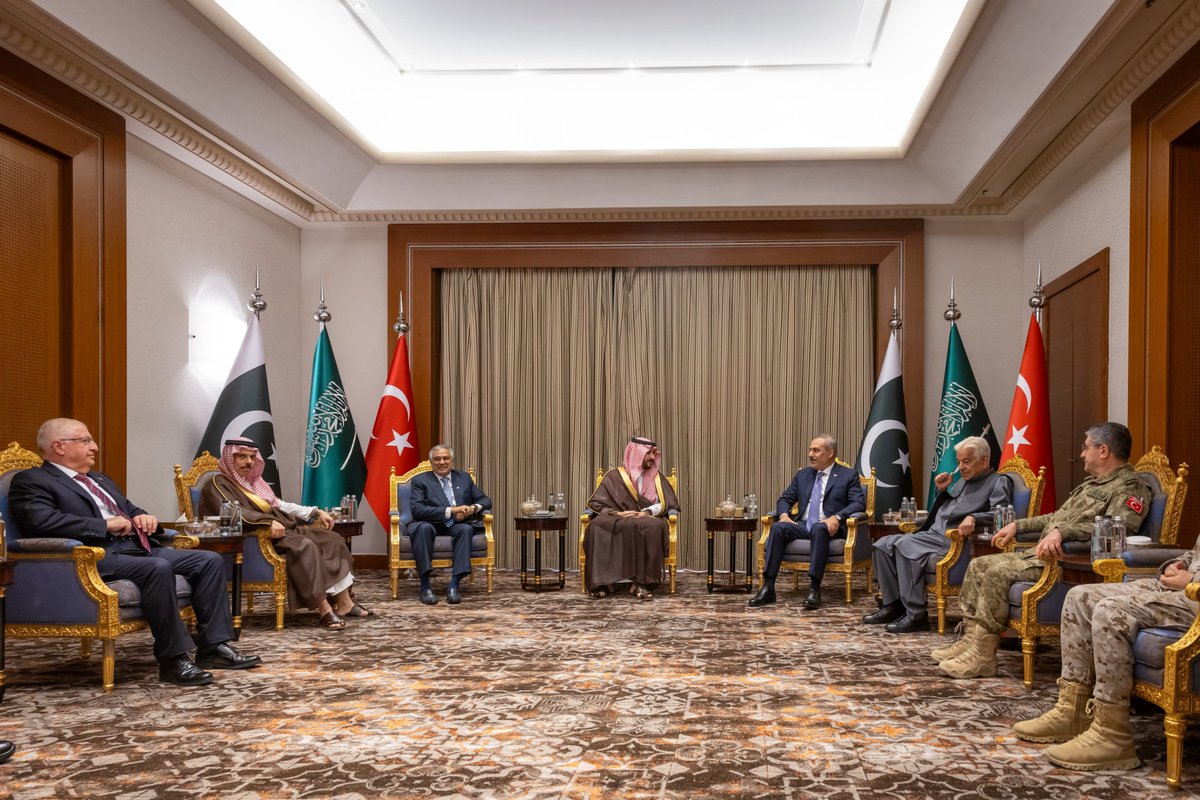
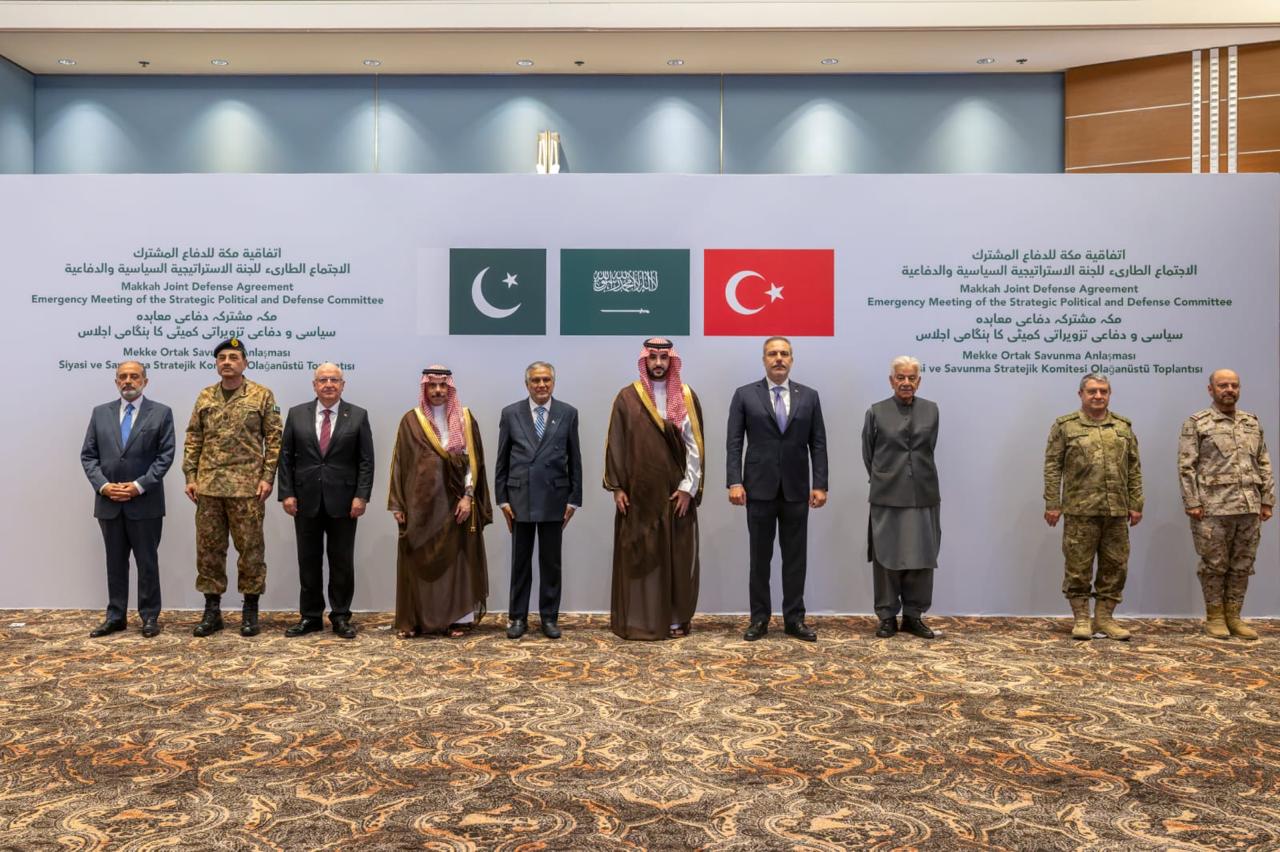
By the time Assad was overthrown, Ankara was no longer framing Syria as a site of regional transformation but as a problem requiring careful management. Islamist language persisted, yet it no longer defined policy expectations or alliance choices. Turkey’s foreign policy had become more flexible, transactional, and risk-averse, reflecting a new set of ideas about stability, threat, and influence.




.svg.avif)