Israel’s election on October 27, 2026, is widely viewed as a referendum on Prime Minister Benjamin Netanyahu. Yet the contest is about more than the political survival of one leader. It will test public confidence in the government’s security policies and its handling of the October 7, 2023, attacks, and it will reflect the consequences of regional war and voters’ views on the country’s domestic political direction. As the European Parliamentary Research Service notes, security, accountability and the formation of a viable governing coalition are central issues in the election.
Netanyahu’s supporters argue that his government has strengthened Israel’s position by confronting Hamas, Hezbollah and Iran. His opponents contend that the failures of October 7, the prolonged war in Gaza and Israel’s growing international isolation demonstrate the need for new leadership. However, a change of government would not necessarily mean a fundamental change in Israeli security policy. The main opposition figures also support military superiority and a firm response to regional threats.
From October 7 to Regional War
The Hamas-led attacks of October 7, 2023, exposed serious failures in Israel’s intelligence, military preparedness and political leadership. More than 1,200 people were killed in Israel and 251 were taken hostage, according to Israeli figures. The subsequent war devastated Gaza, causing tens of thousands of Palestinian deaths and a severe humanitarian crisis. The UN Office for the Coordination of Humanitarian Affairs documents the extensive human toll and destruction.
The conflict expanded beyond Gaza. Israel’s confrontation with Hezbollah in Lebanon, including operations targeting its communications network and leadership, weakened the organization. The killing of Hassan Nasrallah was a significant military achievement, but tactical success does not necessarily produce lasting security. The future of Hezbollah, Lebanon’s stability and the risk of renewed conflict remain unresolved.
Iran has become the central challenge in this wider confrontation. In June 2025, Israel attacked Iranian nuclear and military facilities, and US strikes on Iranian nuclear sites followed. The International Atomic Energy Agency documented damage to nuclear facilities and disruptions to monitoring. These operations did not, however, establish that Iran’s nuclear capabilities had been permanently eliminated.
A further Israeli-American military campaign against Iran in 2026 widened the conflict and increased regional and economic risks. Disruption to shipping through the Strait of Hormuz placed pressure on energy markets, illustrating how a security confrontation can generate costs far beyond the battlefield.
Netanyahu, Trump and the Political Use of Security
Netanyahu’s close relationship with US President Donald Trump has been central to Israel’s regional strategy. American military and diplomatic support has strengthened Israel’s ability to confront Iran, but Washington’s priorities are not identical to those of the Israeli government. Rising energy prices, regional instability and US domestic politics constrain the scope for prolonged military escalation.
The election campaign has also raised questions about the relationship between security decisions and domestic politics. Israeli media reported tensions between Netanyahu and IDF Chief of Staff Eyal Zamir over a proposed action that could have triggered another confrontation with Iran. Officials disputed aspects of the reporting, so the allegations should be treated cautiously. Nevertheless, they fueled opposition concerns about the politicization of national security.
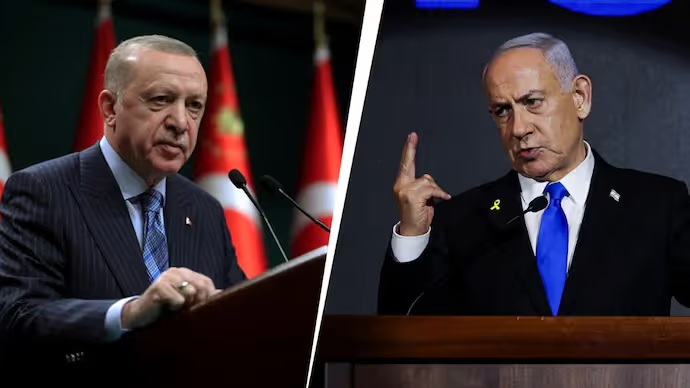
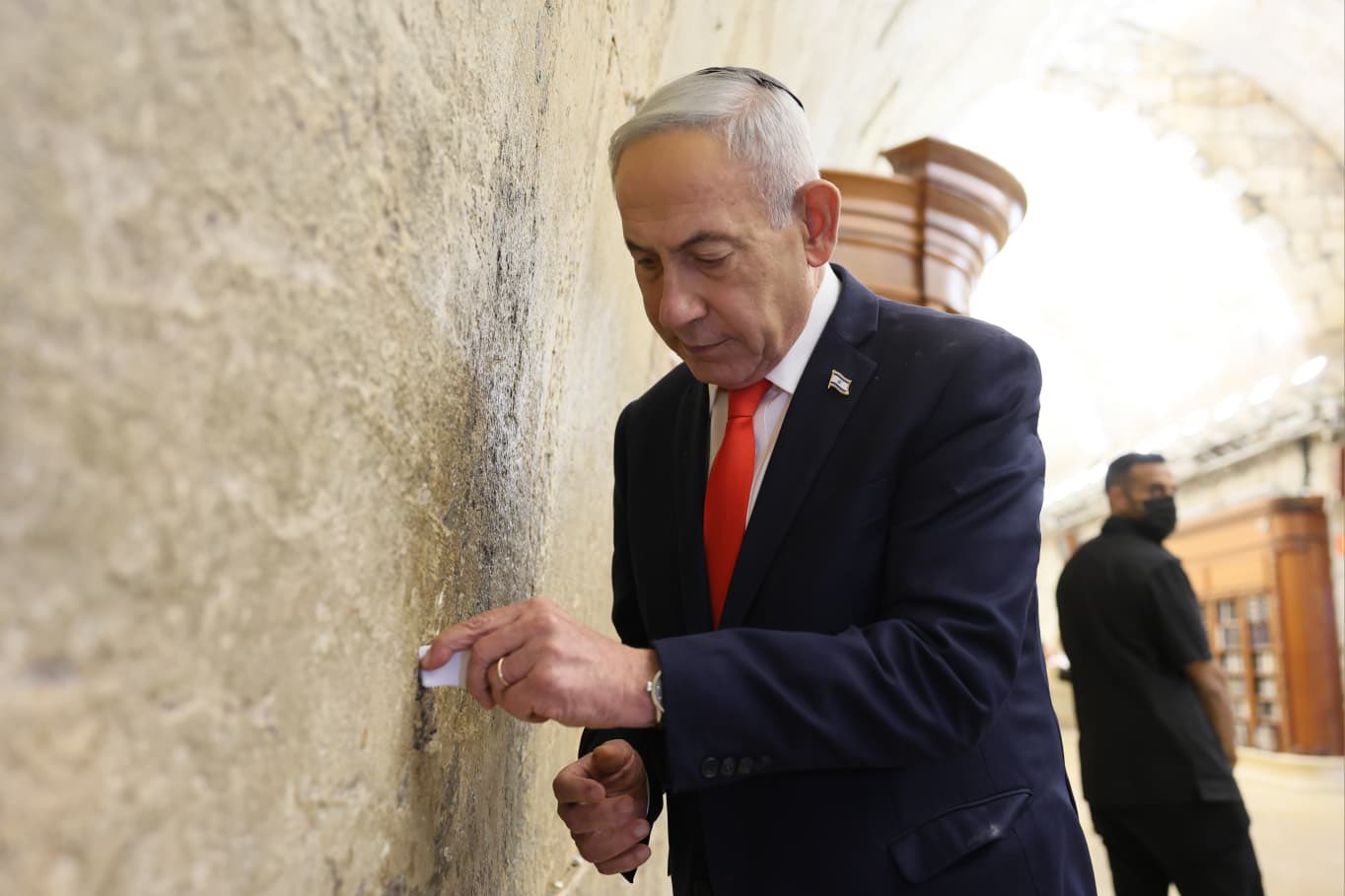
Netanyahu has framed the election in stark terms, emphasizing the existential threat posed by Iran and presenting himself as the leader best equipped to protect Israel. This approach may appeal to voters who prioritize security. Yet it also risks reducing a complex debate about strategy, accountability and diplomacy to a choice between Netanyahu and national peril.
Eisenkot and the Limits of Political Change
Gadi Eisenkot, a former IDF chief of staff, has emerged as a leading challenger. He presents himself as a more disciplined alternative to Netanyahu, emphasizing competent leadership and accountability while retaining a strong security posture. Naftali Bennett and other opposition figures also seek to persuade voters that Israel needs a change of leadership.
Nevertheless, the differences between Netanyahu and the mainstream opposition should not be exaggerated. Both broadly support maintaining Israel’s military superiority, preventing Iran from acquiring nuclear weapons and confronting armed groups on Israel’s borders. The disagreement concerns the effectiveness of Netanyahu’s leadership, the management of military operations and the political and diplomatic costs of his approach.
The Palestinian question exposes this limitation particularly clearly. The war in Gaza has intensified international criticism and highlighted the absence of a sustainable political framework for the territory. Yet the opposition has not presented a unified, detailed alternative for Gaza’s governance or for resolving the Israeli-Palestinian conflict. A Netanyahu defeat could improve Israel’s relations with some international partners, but it would not automatically produce a fundamental shift in policy toward the Palestinians.
Domestic Issues and Accountability
Several domestic issues may prove as important as foreign policy. First, the failures of October 7 remain a major test of political accountability. Netanyahu’s critics argue that a credible investigation must establish responsibility for intelligence and strategic failures. Reports that United Arab Emirates President Mohammed bin Zayed warned Netanyahu before the attacks that Hamas was preparing a major operation have added to the scrutiny, although Netanyahu has disputed the account and the UAE has not publicly confirmed it.
Second, exemptions from military service for ultra-Orthodox Jewish men have become increasingly controversial. As reservists face prolonged deployments, many Israelis question whether military obligations are distributed fairly. Netanyahu’s dependence on ultra-Orthodox parties makes reform politically difficult.
Third, the cost of living and the economic burden of prolonged conflict affect households and businesses. Voters may support a strong military posture while questioning the government’s management of the conflict’s financial consequences. The earlier judicial overhaul and concerns about institutional checks and balances also remain part of the wider debate over democratic governance.
Finally, Netanyahu’s reliance on far-right coalition partners has limited his political flexibility and complicated relations with Israel’s international partners. These alliances may help him remain in office, but they also create tensions over the Palestinians, military service and the balance of power between the government and the judiciary.
Coalition Arithmetic and the Election’s Significance
Israel’s proportional electoral system makes coalition-building decisive. The Knesset has 120 seats, and a government generally needs the support of at least 61 members. Polling ahead of the election suggests that neither Netanyahu’s bloc nor the opposition has a guaranteed path to a majority. Polls suggest a close result could produce another period of political deadlock.
Arab parties may influence the balance of power, especially if turnout rises, but the principal Jewish opposition parties have been reluctant to rely on them as formal coalition partners. This could prevent the opposition from turning an electoral advantage into a governing majority. The outcome will therefore depend not only on votes and seats but also on which parties are willing to cooperate after the election.
Israel’s election is a referendum on Netanyahu, but not necessarily on the country’s broader security paradigm. The failures of October 7, the devastation in Gaza, confrontation with Iran and the economic costs of prolonged conflict have intensified public scrutiny of the government. Yet the main opposition figures largely share its commitment to military superiority and confronting regional threats.
The election’s deeper significance lies in whether voters demand greater accountability, more effective governance and a clearer political strategy alongside military strength. A change of leadership may alter Israel’s political tone and diplomatic relationships, but it will not automatically resolve the Palestinian question or end regional instability. Ultimately, the test for Israel’s next government will be whether it can translate military power into sustainable security and a more coherent political future.